Showing posts with label Dementia. Show all posts

Wednesday, November 12, 2014

Earning the Brains & Balance Past 60 Certificate Part 4: Making Connctions: Challenging the Older Brain

This is part 4 of the 4 parts covering the Exercise Etc seminar I attended on Saturday, October 18, 2014


Articles like this are why I train older clients the way I do.

 
New York times article: A tiny stumble- a-life-upended. 

The first topic Guy covered in this session was Understanding Cognition:

What other things besides mental stimulation and exercise effect cognition?

     *  Nutrition
     *  Hydration
     *  Medication
     *  Alcohol
     *  Companionship
     *  Depression

Just like mental stimulation and exercise we have control over most of these things. Depression can be a whole other issue. It can be effected by everything else on this list.

According to the Centers of Disease Control the following statistics cover Cognitive Disorders:

        INCIDENCE:                                                      CAUSES:
   *  Alzheimer's                                                         *  Alzheimer's
      -  Over the age 65:    13%                                        -  Family History
      -  Over the age 85:    45%                                        -  Lack of mental stimulation

  *  Vascular Dementia                                                *  Vascular Dementia
      -  Over the age 71:      5%                                          -  Poor Blood Flow
      -  Over the age 90:    38%                                          -  Stroke

  *  Depression                                                             * Depression
      -  Community based:  1%                                         - Isolation
      -  Nursing home:       15%                                        -  Hopelessness
         
Consider what stands out about these statistics:

     - As seniors age the chances of developing Alzheimer's increases 346% in twenty years and   
       Vascular Dementia increases 760% in 19 years.

     - Being part of a socially active community instead of a nursing home decreases your chances of 
       developing depression from 15% to 1%.  It pays to have friends when you get older.

 What are the leading causes of being 
admitted to a Nursing Home?

     -    Neurological
           *  Dementia

     -    Cardiovascular
           * Congestive Heart Failure
           
     -    Musculoskeletal
          *  Osteoporosis
          *  Osteoarthritis

According to the Wall Street Journal, February, 2014, the medical cost of treating dementia exceed the cost of Heart Disease and Cancer combined.

What role does the Medical Community play in Intervention? 

       *  The Primary Care Physician must be an active participant in the effort to maintain cognition.  

       *  Every individual (or their caregivers) should request a medication review with the following questions:
            
           -  Are they all necessary?
           -  Can Dosages be reduced?
           -  What are there interactions of the drugs being taken?
           -  Are there vitamin/mineral deficiencies?

10 Drugs that May Impair a Persons Memory 
AARP: May 2013                  
   
          *  Stain Drugs                                                              *  Anti-Anxiety Meds
          *  Blood Pressure Meds                                               *  Parkinsons Drugs
          *  Anti-Depressants                                                      * Incontinence Meds
          *  Anti-Seizure Meds                                                   *  Sleeping Aids
          *  Narcotic Pain Relievers                                            * Antihistamines

According to the Centers for Disease Control (2012) 
the average American 65 year-old is on 4 prescription meds. 
The average 85 year-old is on 14. 

 
What role does Hydration play in 
keeping your cognitive functions?    

   -  Dehydration can mimic the symptoms of dementia. If you become too dehydrated your blood 
      pressure can become so low that not enough blood and oxygen gets to your brain

Some excellent sources of vitamins

What Vitamin Deficiencies are 
Associated with Impaired Brain Function?

    -  B - 12 and Folate 
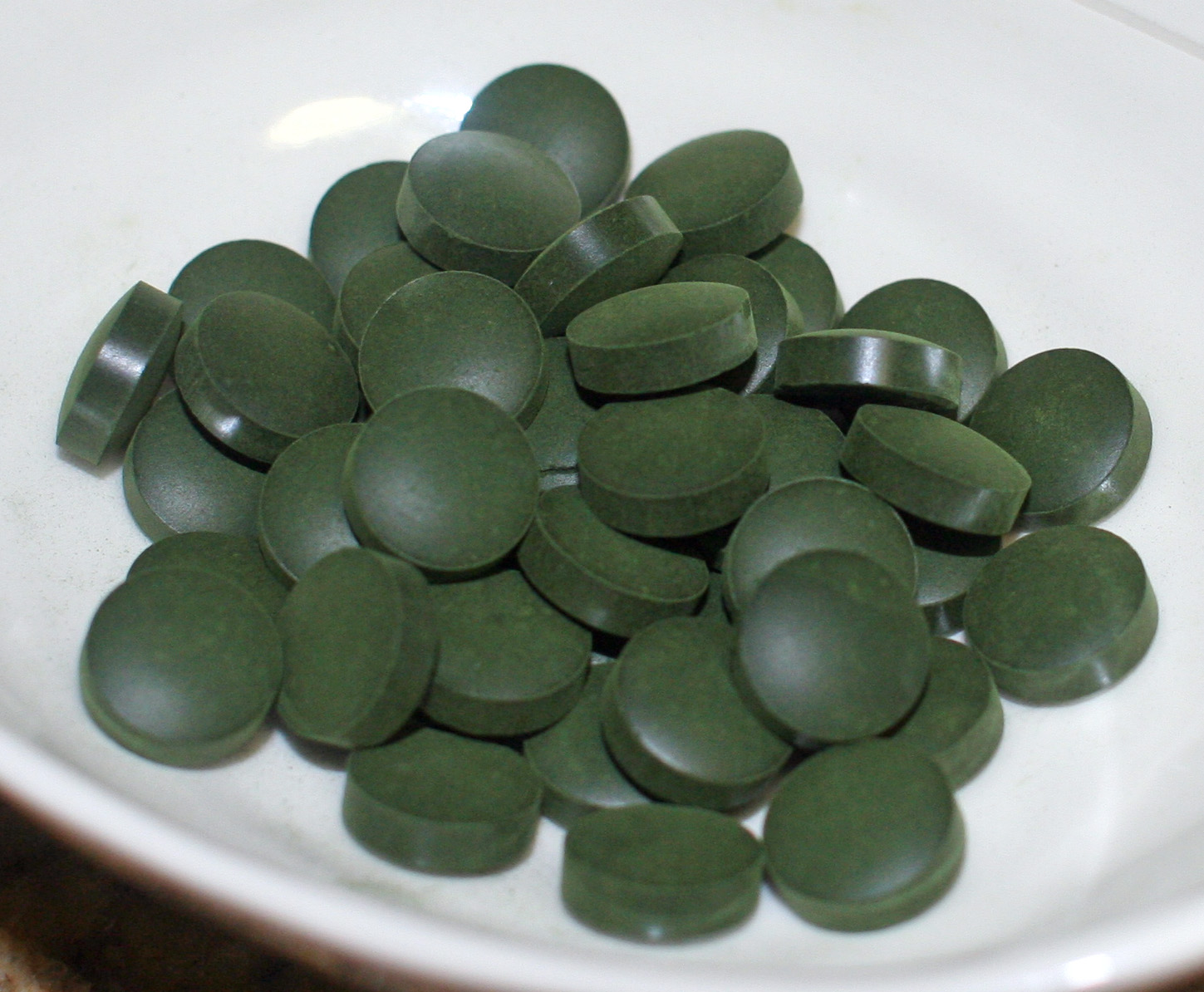
I wonder what effect Spirulina and Cholrella might have on retaining memory?

What Supplements play a role in 
keeping Cognitive Functions.

      *  Lactulose
          -  This laxative also removes ammonia which is considered a Neurotoxin from the body.

      *  Lysine - ask you Dr. about it
          - Some research suggest the it slows the progression of Alzheimer's, some research suggest it
            accelerates the progression.

      * CoQ10 - ask your Dr. about it.
         -  Research is interesting yet inconclusive regarding it's effect of cognition.

I added:
 
      *  Coconut Oil
        - It is an excellent source of Medium Chain Fatty Acids which might help feed the brain.

       *  Vitamin D
           -  Dr. Mercola article talking about the role of Vitamin D levels and Dementia

 
Alcohol, Ammonia and Cognition 

      *   Ammonia is a known neurotoxin that shows down processing speed and affects language,
           memory, problem solving and reasoning abilities. 

      *  Risk factors for Elevated Ammonia Levels:

          -  Alcohol use: Guy stated that they (I wish I knew who) consider drinking 2 servings of
              alcohol per day as Heavy Drinking.  This equates to 2 cans or bottles of beer or 8 ounces 
              of wine.  

          -  Smoking
          -  Aging Livers and Kidneys.

          -  Use of Barbiturates, Diuretics, and Narcotics, especially when combined with Alcohol.


 Sugar Intake and Cognition:

       *  1 tsp of sugar = 4 grams
       *  Seniors with the highest sugar consumption are almost twice as likely to develop cognitive
           impairment. - Mayo Clinic, 2014
       *  Although the brain runs on sugar, too much sugar increases insulin resistance, which deprives
           the brain of glucose.

Sodium and Cognition:

     *   Salt RDA = 2400 mg per day
     *  Avoid foods high in sodium because they can:
         - Cause dehydration which affects cognition  
     *  Seniors with the highest salt intake also are more likely to suffer cognitive impairment. -
         University of Toronto, 2014

IMO, we should not compare processed Table Salt with Unprocessed Sea Salt. 

Although I don't drink coffee, I love chocolate. I wonder what effect chocolate consumption has on memory?
Caffeine and Cognition:

     *  A 2014 study found that older women who consumed around 370mg of caffeine per day
         (around 2 cups) had maintained a higher cognitive level than women who did not.
     *  Caffeine from Tea or Soft Drinks DID NOT have the same effect.

How to Train the Brain:

      -  Lumosity.com (most of us have seen their commercials on TV.
      -  Crossword Puzzles, Sudoku, Jigsaw Puzzles. etc.
      -  Reading, Conversations which make you think and remember details.
      -  Scrabble, Bridge and other Card Games which require strategy.
      -  Brain Teasers, Riddles
      -  Painting a Picture, Writing a Poem.
      -  Making a list
      -  Writing in a Blog (I added this one)

100, 97, 94, 91........
Integrating Brains & Balance Drills:
Multitasking Drills

       *  Walk Forwards, Laterally or Backwards while:
           -  Counting Backwards from 100: by 2's, 3's, 5's 7's or any other numbers
           -  Answer questions such as State Capitals, Birds, Types of Pets, etc. Think of any type of list.

       *  Tracking Drills.
           - Step Side to Side while pretending to draw various shape using your hand, switch hands, etc.

This concludes my Blog Post on the 
Brains & Balance Past 60 Seminar. I hope you enjoyed reading them and learned some things as I did by I attending it.


Wednesday, October 22, 2014

Earning the Brains & Balance Past 60 Certificate Part 1: Forever Young: Secrets of the Older Mind

On Saturday, October 18th I attended an Exercise Etc. seminar titled:

Brains & Balance Past 60.


This is at least the fourth seminar of theirs I have attended. Since the NSCA requires 60 hours of continuing education every 3 years, I am always looking for seminars with topics I find interesting.

The B & B P 60 seminar was taught by Guy Andrews, the founder of Exercise Etc. Guy did a great job not only educating the group (of around 35) but managed to entertain us at the same time.

We had the opportunity to spend around six of the eight hours trying out the various drills he uses when working with seniors down in Florida. He said that this program has really taken off with all the seniors living down in Florida. With our aging population there is a huge need for this type of program.


The seminar was broken up into four 2 hour sessions.

The first session was titled:

Forever Young: Secrets of the Older Mind.

The focus of the first 2 hours was on how we are changing the way we think that the brain ages, and what can be done to change the way the brain is aging. I sum up the two most important points a this:

1. Cognitive decline is no longer believed to be inevitable.
2. Proactive Training can minimize the risk of falling.

Most of this advice applies to preventing or improving the mind due to Vascular Dementia and not Alzheimers' because they probably have two different causes.

How do we proactively go about working on this? 

"Train the Brain"


The brain is like our muscles in the fact that it responds to training by becoming better at functioning. This is called Neuroplasticity. (Increases in neural pathways due to changes in behavior, increases in stimulation, or adaptations to the environment)

Active people work on this every day even if they don't realize it. The older you become, the less active, the less demand on your brain. In the long term this inactivity can really cost you. DEMENTIA. 

There are many programs out there that you can use. Lumosity is one of the most famous ones.
Programs like this will help strengthen your brain.

The part of the brain most effected by this type of training is the Cerebrum. This is the part of the brain responsible for thinking and voluntary movements. It is also involved in developing and retrieving memories.We have all heard when someone is smart they are very cerebral.

Another part of the brain called the Hippocampus works with the Cerebrum when it comes to long and short term memory.

However that is only one part of the best way to improve brain function. Physical activities that require balance, strength, and concentration can improve brain function even more. The Cerebellum is where coordination, posture, fine motor skills and balance are controlled.

Combining challenging the Cerebrum, Hippocampus and Cerebellum at the same time will give the best results. The goal is to strengthen the way the different parts of the brain work together. 

Specific examples of this will be given in the next 3 post on my blog.

Up until recently it was thought that the brain stopped growing after the age of 30. There is a growing body of research that points out that the brain keeps developing will int middle age and beyond with the correct types of stimulation.  Without the correct types of stimulation the older brain can:

1.  Have difficulty multi-tasking (Men even more than Women)
2.  Concentrating
3.  Making decisions.

Where is the proof the "Train the Brain programs work?

According to the Journal of American Geriatrics Society January13, 2014 All 3 can be improved with physical training and mental stimulation. 

Even more exciting: 3000 adults (average age 72) who participated in 12 weekly (60-minute train-the-brain sessions) performed better than untrained counterparts 5 years later. 

Senior Exercise Recommendations: 

Increase Blood Flow = Improved Cognition
The brain is 2% of the adult body weight but received 15% of the blood and consumes 20% of the oxygen.
*  Like anyone else Seniors should get their physicians approval before starting their "Train the Brain" program.
*  High intensity exercise is associated with lower rates of depression and cognitive decline and better health.  Exercise should be done to the point of breathlessness. 

How much and how often?

Cardio Training:
4 - 6 times per week
30 - 60 minutes per session

Balance Training:
At least 3 times per week: Daily is even better

Strength Training:
At least twice per week. Complex movements (using more than one joint at a time) while standing are the most effective.

Drills and Games:
Can be done separately or at the same time as the above activities depending on the frill and/or game. 

Next time I will cover session 2: Balance, Stability and Fall Prevention